For anyone who still has a parent to call
The Uncomfortable Math of How Much Time You Have Left With Your Parents
You likely have fewer days left with your parents than you think, and most of them will look like an ordinary Tuesday. That is not meant to scare you. It is meant to move you.
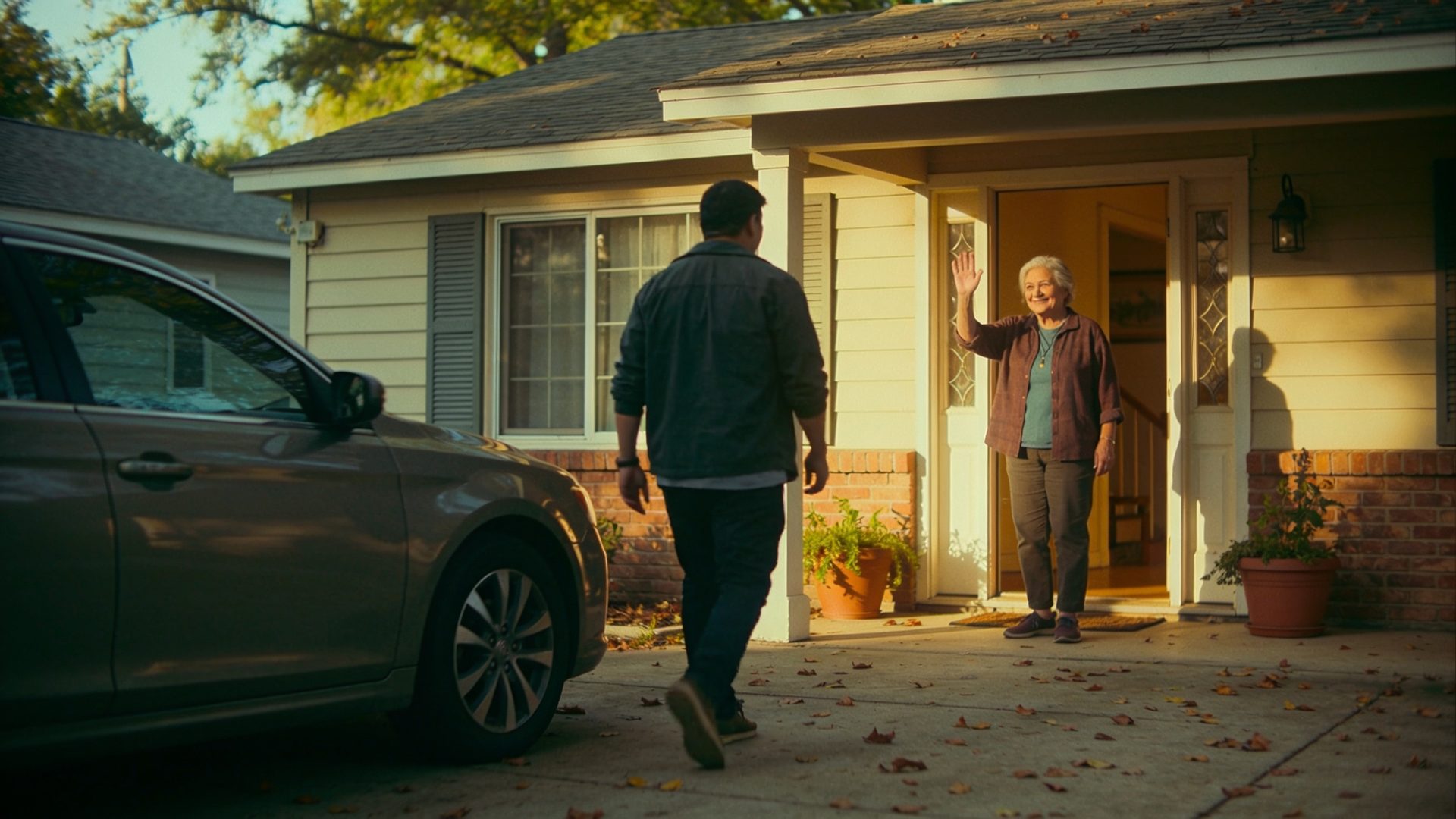
A writer once sat down and did some uncomfortable math. He was in his early thirties, his parents were in good health, and by every measure he still had plenty of time left with them. Then he counted the actual days.
He worked out that he saw his parents about ten days a year, and had for most of his adult life. He had roughly thirty more years of overlap left with them, best case. Ten days a year, times thirty years, comes out to three hundred days. Not thirty years. Three hundred days. He had already used up ninety three percent of his in person time with his parents by the day he left for college.
An entrepreneur ran a similar number for a friend whose parents were in their seventies and who saw them twice a year. Assume they live to eighty. That is not five or six years left. That is ten to twelve more visits, total, counted the way you would count anything that runs out.
1. Why the math feels wrong at first
Nobody plans to let this happen. Time with parents does not disappear all at once, it thins out quietly, one ordinary year after another, until most of it is already spent before anyone notices. **Childhood front loads almost all of the time you will ever get.** After that, a visit here, a holiday there, a phone call in between.
The years left number feels generous because it is the wrong number. Thirty years sounds like forever. Three hundred days does not. **The visits, not the years, are what you are actually spending.**
You are not short on years. You are short on ordinary Tuesdays together, and there are fewer of them than the calendar makes it feel.
2. Count visits, not years
Once you count visits instead of years, something shifts. Ten days a year for thirty years is not an abstraction anymore, it is a number small enough to picture: about the length of one long vacation, spread across the rest of a lifetime.
This is not meant to create panic. It is meant to create attention. **Knowing the actual number is what makes people pick up the phone instead of putting it off another week.** The people who do this math tend to visit sooner, call more, and let fewer conversations end with we will catch up soon.
The number does not shrink the time you have left. It just makes sure you notice it while you still have it.
3. What you do inside the visits that are left
If the visits are the scarce thing, then what happens inside them matters more than how many there are. Most of what gets said between parents and adult children, the ordinary stories, the reasons behind old decisions, the person your father was before he was your father, is never captured anywhere. It is only ever remembered, and memory fades faster than any of us expect.
This is the part LifeScribe was built for. During one of those remaining visits, or on an ordinary phone call, your parent talks and LifeScribe listens. **No writing, no app to learn, just a phone call and a memory that gets to stay.** What comes back is a warm, first person story in their own words, something your family can return to long after the visits themselves are just memories too.
You cannot add visits to the count. You can make sure the ones you have left are not the only place those stories live.
I did the math on my dad's visits and could not stop thinking about it. We started recording his stories on our next call. Now I have his voice, not just my memory of it.Priya, 41, preserving her father's stories for his grandchildren
What you get with LifeScribe
- No writing and no typing: your parent talks, LifeScribe does the rest.
- Works from an ordinary phone call, no app for them to learn.
- A warm guide that starts the conversation, so no one faces a blank page.
- Memories returned as first person keepsakes in their own voice.
- A living record your family can return to for generations.
Start free, with nothing to lose
Start with a single memory, free. There is nothing to install and nothing to learn beyond answering the phone. If one phone call and a preserved story does not feel worth it, you have lost a few minutes and gained one memory that would not otherwise exist.
You cannot get more visits by wanting them. **You can make sure the ones you have left are not the last chance to hear these stories.** The math does not change by waiting. Only the number of days does.
You already know how the math works out. Call today.
Pick one of the visits or calls you already have planned this month. Spend a few minutes of it capturing a story instead of letting it pass like an ordinary Tuesday.
Questions grandparents ask us
Is this really about my parents dying soon?
No. It is about ordinary time, the kind that runs out quietly no matter how healthy everyone is. Most families who start recording memories are not facing an emergency. They just did the math and did not want to wait.
My parent is not a writer, will this even work?
Yes, because there is no writing involved. Your parent talks, out loud, the way they already tell stories at dinner. LifeScribe listens and turns it into a written keepsake for them.
What if we only get through one or two memories?
Then you have one or two memories you did not have before. There is no minimum and no deadline. Many families start with a single phone call and add more over time.
How is this different from just recording a call myself?
You could, and some people do. LifeScribe asks a gentle question to start the story, then turns what your parent says into a clean, warm, first person account instead of leaving you with a raw recording to sort through later.
What happens to the memories afterward?
Each memory becomes a keepsake your family can read and share, building into a living record of your parent's life in their own words.
https://getlifescribeapp.com/blog/the-math-of-time-you-have-left-with-them