You would think a long, close relationship gets remembered as long and close. Psychologists found something stranger: your memory barely counts the minutes at all.
Psychologists Proved Your Memory Does Not Track How Long an Experience Lasted. It Remembers How It Ended.
In 1993, Daniel Kahneman, Barbara Fredrickson, Charles Schreiber, and Donald Redelmeier, publishing in Psychological Science, found that people judge a past experience almost entirely by its worst moment and its last moment, and almost not at all by how long it actually lasted. A real-world trial on colonoscopy patients later proved the same rule holds for something that matters far more than a lab experiment.
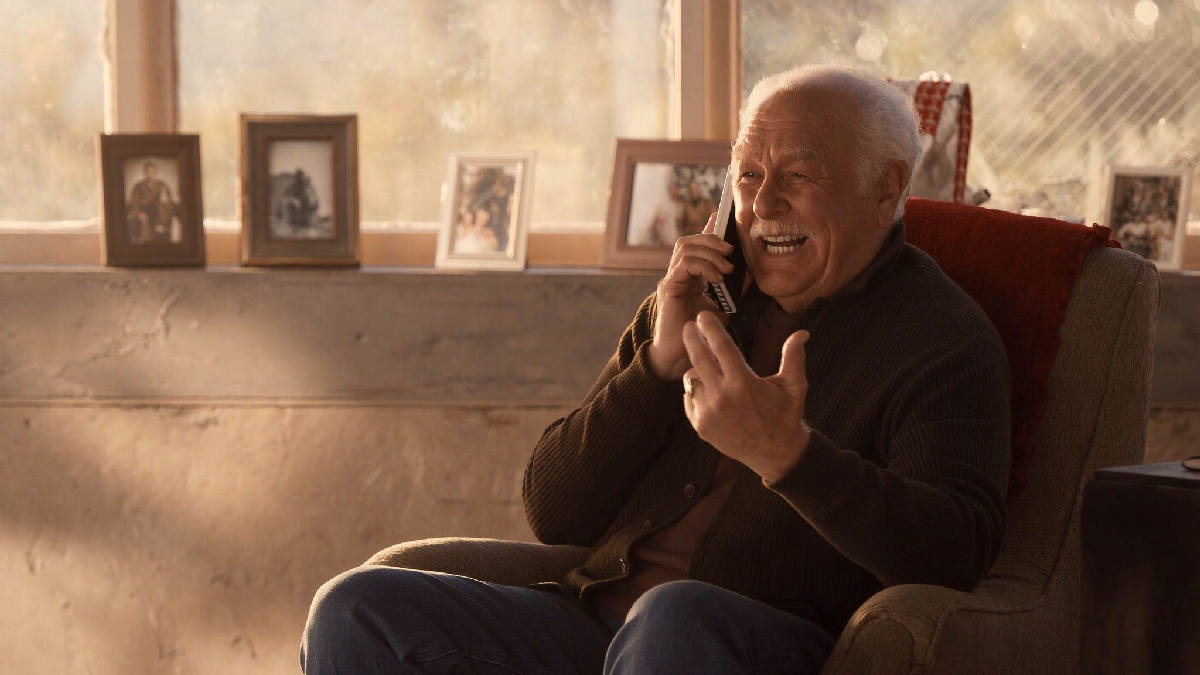
Here is a question that sounds like it should have an obvious answer: if you had to choose between a shorter unpleasant experience and a longer one, which would you remember as worse? **Kahneman and his co-authors ran an experiment in 1993 that found most people, given the actual choice, pick the longer one, on purpose, and it is not a mistake.**
The setup was simple. Subjects held one hand in painfully cold water for 60 seconds, then held their other hand in the same cold water for 60 seconds, followed by 30 more seconds as the water was very slightly warmed. Same peak pain, more total discomfort in the second trial. **A significant majority of subjects chose to repeat the longer trial**, because the version that ended a little more gently simply felt better in memory, even though it objectively hurt more.
The researchers called it duration neglect: **ratings of an experience track the peak moment and the final moment almost perfectly, and correlate with how long it lasted at close to zero.** How something ends rewrites how the whole thing gets remembered. It would stay a curious lab finding, except doctors went looking for it in something that actually matters.
1. The finding: your memory keeps a highlight reel, not a stopwatch
The 1993 cold-water study, published in Psychological Science, is formally about pain, but the mechanism it describes is not limited to a lab. **Subjects' retrospective ratings correlated almost perfectly with the average of the peak moment and the final moment of an experience, and barely at all with its actual duration.** People were not confused about how long the water was cold. They simply were not building their memory that way.
This is now called the peak-end rule, and it means something uncomfortable for anyone who thinks of a relationship, a visit, or a life as a running total of hours logged. **Your brain is not a stopwatch. It is an editor, and it keeps the peak and the ending, and quietly discards almost everything else.**
Memory does not add up minutes. It keeps the worst moment, the last moment, and lets the rest fade.
2. Doctors tested it on real patients, and it held up
Redelmeier and Kahneman took the question out of the lab and into a hospital, tracking real-time pain during colonoscopies and lithotripsy procedures, then comparing it to patients' memory of the same procedure afterward. **Patients' retrospective ratings tracked peak pain and the pain in the final minutes almost exactly, and lengthy procedures were not remembered as any more unpleasant, no matter how long they had actually run.**
A later randomized trial went further: doctors deliberately left the instrument in slightly longer for half of 682 patients, adding a mild, tapering discomfort at the very end instead of stopping right after the worst part. **Those patients rated the whole procedure as less unpleasant afterward, and were more likely to return for a follow-up when one was recommended, even though their procedure had objectively lasted longer.**
A gentler ending changed how an entire procedure got remembered, and it changed whether patients came back.
3. What this means for the time you have left with someone
If memory keeps a highlight reel instead of a running total, then worrying about logging more hours with someone misses the point their memory will actually keep. **What gets remembered is the good moment and the way things were left, not whether the visit ran ten minutes or two hours.** A short call that ends warmly, with something real said and kept, outweighs a long one that just trails off.
**This is the whole idea behind a call with Ari.** It does not need to be long to matter. It needs to end with something real captured, a story, a voice, an answer to a question nobody thought to ask yet, so that the ending is the good part instead of the part that quietly gets forgotten.
You do not need more time. You need the time you have to end on the story worth keeping.
I used to feel guilty that our calls with Dad were only ever fifteen, twenty minutes. Turns out that was never the problem. Now he calls Ari and tells one story before we hang up, and that is the part I actually remember afterward anyway, not the length of the call.Marcus, 51, whose father calls Ari most Sunday afternoons
What you get with LifeScribe
- In 1993, Daniel Kahneman and colleagues, publishing in Psychological Science, found that memory of an experience tracks its peak and its ending almost perfectly, and its actual duration almost not at all.
- A real-world colonoscopy trial later confirmed it on 682 patients: a gentler ending made the whole procedure remembered as better, even when it ran longer.
- The same rule applies to time with the people you love: a short call that ends on something real outlasts a long one that just trails off.
- Ari helps make sure the ending is the story worth keeping, not the part that quietly gets forgotten.
Start free, with nothing to lose
Start with one ordinary call, free. It does not need to run long to matter, it needs to end on something worth keeping. If it does not feel like a story your family will be glad to have, you have lost nothing but a phone call you were glad to have anyway.
**Duration neglect cuts both ways. The long visits you never got around to fade the same way the short ones do, if nothing worth keeping happened at the end of them.** The fix is not more time. It is making sure the next call ends with something real, captured, before that chance passes too.
Your memory was never counting the minutes. Make the next call end with something worth keeping.
Let Ari turn an ordinary phone call into a real, kept recording, in someone's own voice, so the ending is the part everyone is glad to remember.
Questions grandparents ask us
What is the peak-end rule?
The peak-end rule, identified by Daniel Kahneman and colleagues in a 1993 Psychological Science study, describes how people judge a past experience almost entirely by its most intense moment and its final moment, largely ignoring how long the experience actually lasted.
Has this been shown outside a lab experiment?
Yes. Researchers tracked real colonoscopy and lithotripsy patients in real time and found their memory of the procedure matched the peak-end pattern. A later randomized trial of 682 patients found that deliberately adding a gentler ending changed how patients remembered the whole procedure, and made them more likely to return for a follow-up.
What does this mean for time spent with family?
Since memory is built from peak and ending moments rather than total duration, a short call or visit that ends on something real and captured can be remembered better than a long one that trails off with nothing kept. Ari is built around that idea: a short call with Ari can leave behind a real, kept story.
https://getlifescribeapp.com/blog/the-memory-only-remembers-how-it-ended