For anyone who still has someone to ask
Your Family's Stories Have About Three Generations Left
Family researchers have a name for it: the three generation fade. A story survives the person who lived it, then the child who heard it firsthand. By the third generation, it is already thinning out. That is not a metaphor. It is roughly how fast it happens.
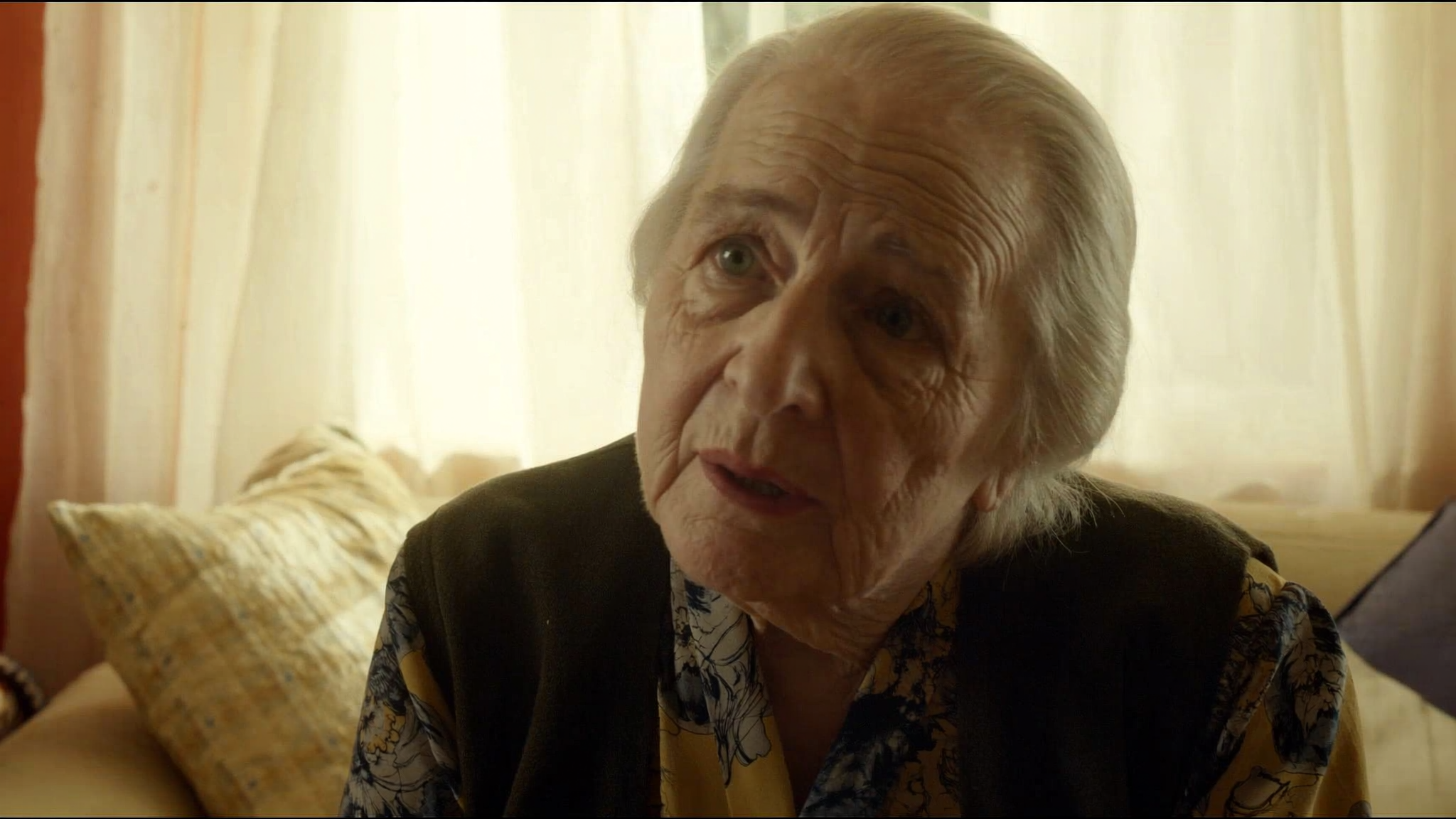
Genealogists who study how oral family history moves through a family have found the same pattern again and again. Stories told out loud, never written down, tend to fade within three generations: the person who lived it, the child who heard it directly, and the grandchild who gets it secondhand, already a little softer around the edges.
Here is a simple way to feel that number. Most people cannot name all eight of their great-grandparents, let alone tell you a single story about one of them. Two generations back, and the names alone are already slipping. The stories went first.
A survey of children between five and eighteen found that only about one in five will go ask an older relative what their life used to be like. Families do not lose their history because they stop caring. They lose it because no one happens to ask, year after ordinary year, until there is no one left to ask.
1. Why three generations is the natural stopping point
The first generation lives the story. The second hears it firsthand, maybe many times, at dinner tables and in cars and during the long stretch of an ordinary afternoon. **The third generation only ever gets it secondhand,** already retold once, already a little shorter than it was.
By the fourth generation, no one alive ever heard the story from the person who lived it. If it was never written down or recorded, it survives only as a fact, your great-great-grandmother came from a small town, with none of the voice, the humor, or the reason that made it worth telling in the first place.
A story only survives past three generations if someone captures it before that. Retelling alone is not enough.
2. It is not memory that fails first, it is the asking
Most families assume the stories are still there, waiting, whenever someone gets around to asking. **That is the quiet assumption that causes the fade.** The stat about kids rarely asking older relatives about the past is not really about children. It is about how every generation waits for a better moment that keeps not arriving.
Nobody decides to let a story go. It just never gets asked for, one ordinary year at a time, until the person who could have answered is no longer there to answer.
The stories are not gone because no one remembers them. They are gone because no one happened to ask in time.
3. The fix is not a reunion, it is one recorded conversation
You do not need to gather the whole family or plan a big project. **You need one relative willing to talk, and a way to keep what they say.** With LifeScribe, that conversation happens over an ordinary phone call. A warm guide asks a simple question, where did your grandmother grow up, what was your father like before he was a father, and lets your relative just talk.
What comes back is a warm, first person story in their own words, saved so it does not depend on anyone's memory of a memory. **No writing, no app to learn, just a phone call and a story that gets to stay.** One conversation at a time, that is how a family stops the fade instead of just noticing it.
One recorded conversation outlasts three generations of retelling. That is the whole fix.
My kids asked where their great grandmother grew up and I realized I did not actually know. I called my mom that same night and just let her talk for twenty minutes. I have her voice now, not just my memory of what she told me.Marcus, 47, recording his mother's stories before they fade further
What you get with LifeScribe
- No writing and no typing: your relative talks, LifeScribe does the rest.
- Works from an ordinary phone call, nothing for them to install or learn.
- A warm guide that starts the conversation, so no one faces a blank page.
- Stories returned as first person keepsakes in their own words and voice.
- A living record your family can return to long after three generations have passed.
Start free, with nothing to lose
Start with a single memory, free. There is nothing to install and nothing to learn beyond answering the phone. If one call and a preserved story does not feel worth it, you have lost a few minutes and gained one story your family would not otherwise have.
The three generation fade does not wait for a reason. **It just needs enough ordinary years to pass without anyone asking.** You cannot get back the stories already gone. You can make sure the ones still here do not join them.
Someone in your family still remembers. Call them today.
Pick one relative and one question you have always meant to ask. Spend a few minutes capturing the answer instead of letting it join everything else that quietly disappeared.
Questions grandparents ask us
Is my family's history even interesting enough to save?
Almost certainly, yes. The stories that matter most are rarely dramatic: how two people met, what a grandparent believed, the reasons behind an old decision. Those are exactly the details that vanish first and matter most later.
What if I do not know the right questions to ask?
You do not need a list. LifeScribe's guide opens with a simple question and lets the conversation follow wherever your relative's memory goes. One good question is usually enough to start.
Is three generations a real number or just a saying?
It is a pattern family researchers see consistently: stories told only out loud tend to fade by the third generation. It is not a strict rule for every family, but it describes what happens when nothing gets written down or recorded.
How is this different from just talking at the next holiday?
Holiday conversations are easy to have and easy to lose, since nothing is kept afterward. LifeScribe turns one of those conversations into a saved, first person story your family can return to, instead of a memory of a memory.
What happens to the stories after they are recorded?
Each conversation becomes a keepsake your family can read and share, building into a living record that does not depend on anyone retelling it correctly years from now.
https://getlifescribeapp.com/blog/your-family-stories-have-three-generations-left